

house


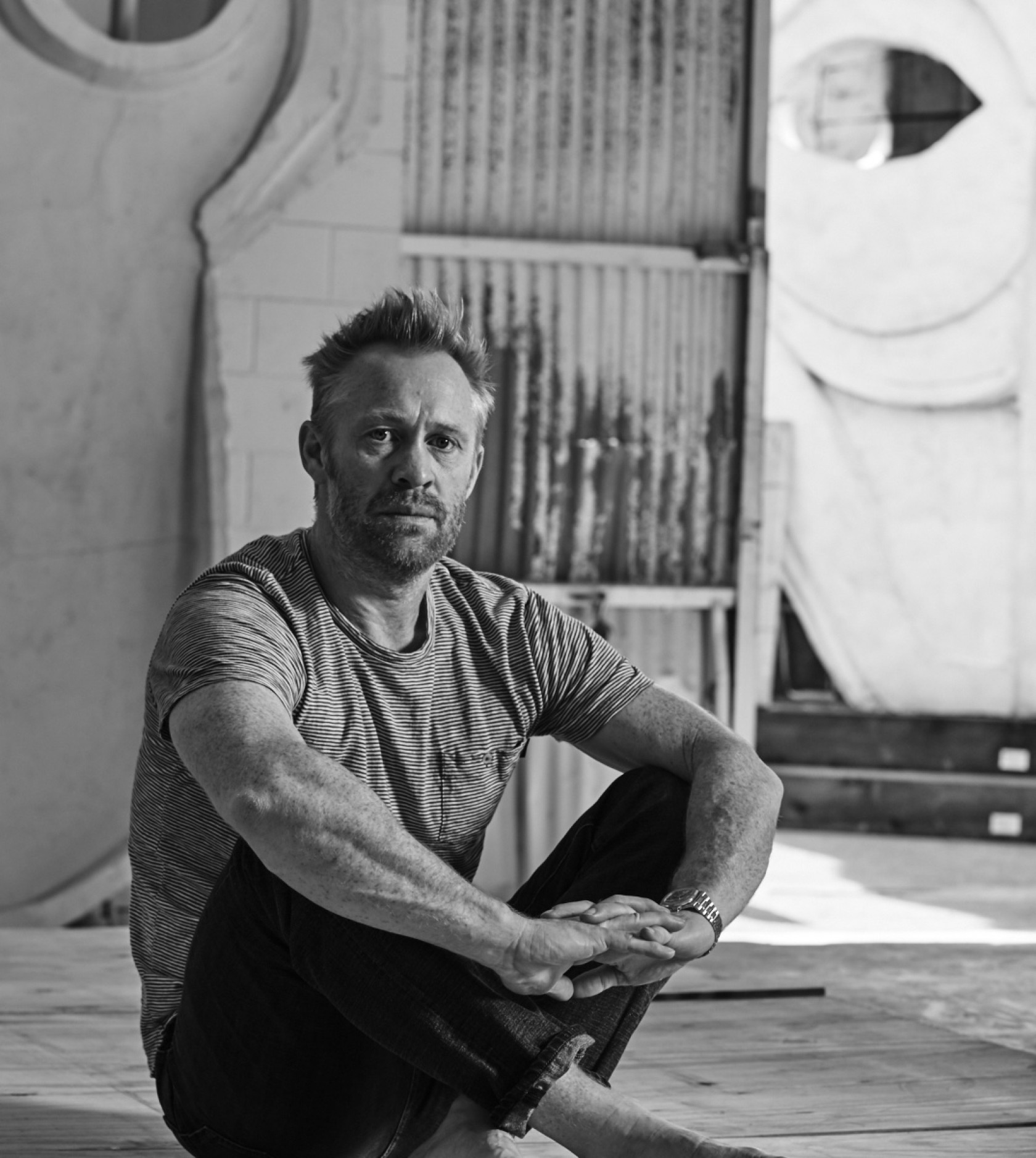








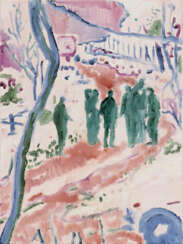

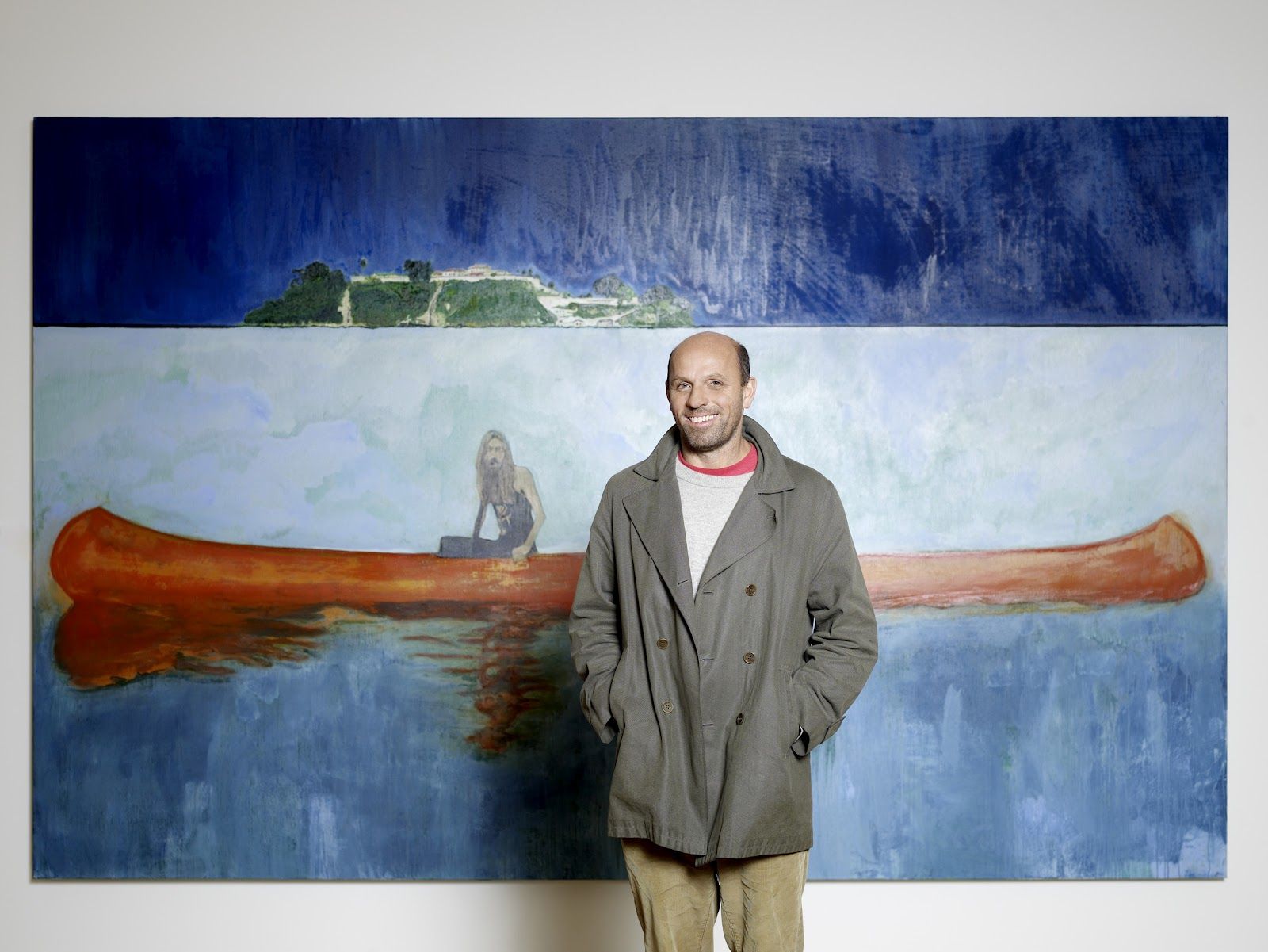
Peter Doig, a Scottish painter, is renowned for his distinct, evocative style that captures elements of the natural world intertwined with a sense of the fantastical. Known for his vibrant use of color and imaginative landscapes, Doig's works often explore themes of memory and nostalgia, heavily influenced by his experiences in Canada, Trinidad, and the United Kingdom.
Peter Doig’s journey in the art world gained significant momentum after his education at Chelsea College of Arts, which was followed by his winning the prestigious Whitechapel Artist Prize in 1991. This recognition led to a solo exhibition at the Whitechapel Art Gallery where he showcased key works that helped define his career, such as "Swamped" and "The Architect's Home in the Ravine."
Throughout his career, Peter Doig has demonstrated a mastery of painting, evident in works like "White Canoe" and "Echo Lake," which reside in major collections such as the Tate and the Saatchi Collection. His art not only reflects his personal history and travels but also incorporates elements from cinema and photography, giving his paintings a dream-like quality that invites viewers to interpret their narratives.
Peter Doig's work has been exhibited worldwide, including significant retrospectives at the Fondation Beyeler in Basel and the Louisiana Museum of Modern Art in Denmark. His achievements in the art world have been recognized with numerous awards, including being named the 2017 Whitechapel Gallery Art Icon.
For those interested in the contemporary art scene, Peter Doig remains a pivotal figure whose works continue to inspire and provoke deep reflection. Art collectors and enthusiasts keen on following updates related to new sales and auction events featuring Doig’s work can sign up for targeted updates here.
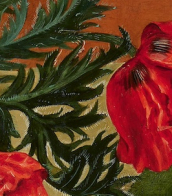
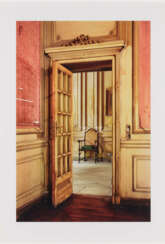


















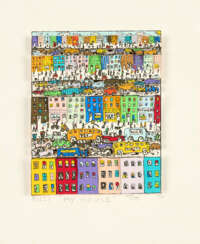

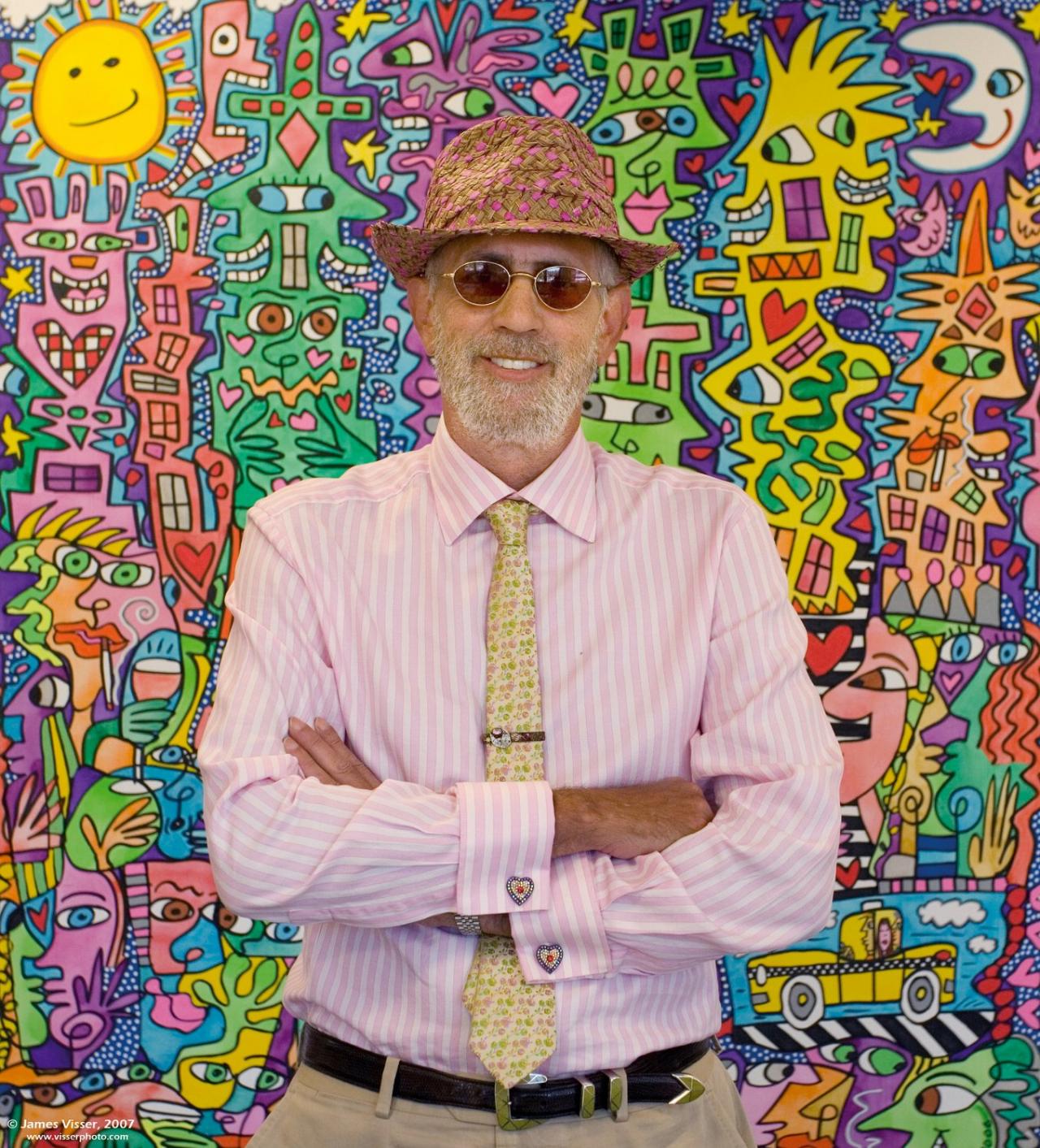
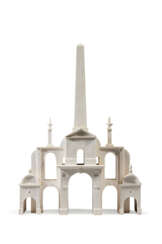
James Rizzi was a renowned American artist, celebrated for his vibrant and playful Pop Art style. Born in Brooklyn, New York, Rizzi's unique approach to art combined childlike whimsy with bold, animated creations. His 3D artworks, characterized by their intricate detail and lively city scenes, set him apart in the art world.
James Rizzi's artistic journey was marked by a series of notable achievements and contributions. He gained recognition in the late 1970s and early 1980s, showcasing his works at prestigious venues like the Brooklyn Museum and creating album covers and animations for the Tom Tom Club. His style evolved into creating 3D constructions, where he meticulously sketched scenes, added vibrant colors, and transformed them into three-dimensional art pieces. This method resulted in captivating prints that exuded a sense of movement and playfulness, drawing viewers into the energetic and diverse atmosphere of New York City.
Throughout his career, James Rizzi undertook various notable projects, including designing for the Montreux Jazz Festival, the FIFA World Cup, and the Olympics. His works were not only limited to canvases but also extended to designing cars for Volkswagen and contributing to charity projects. The "Happy Rizzi House" in Braunschweig, Germany, stands as a testament to his architectural creativity.
Art enthusiasts and collectors will find James Rizzi's work particularly intriguing due to his unique process and the joyous portrayal of urban life. His art is celebrated globally, and his influence remains significant in the Pop Art movement.
If you are a collector or an expert in art and antiques, and James Rizzi's work intrigues you, sign up for updates. Stay informed about new product sales and auction events related to James Rizzi without any pompous flair. Just the essential information, directly to your inbox.


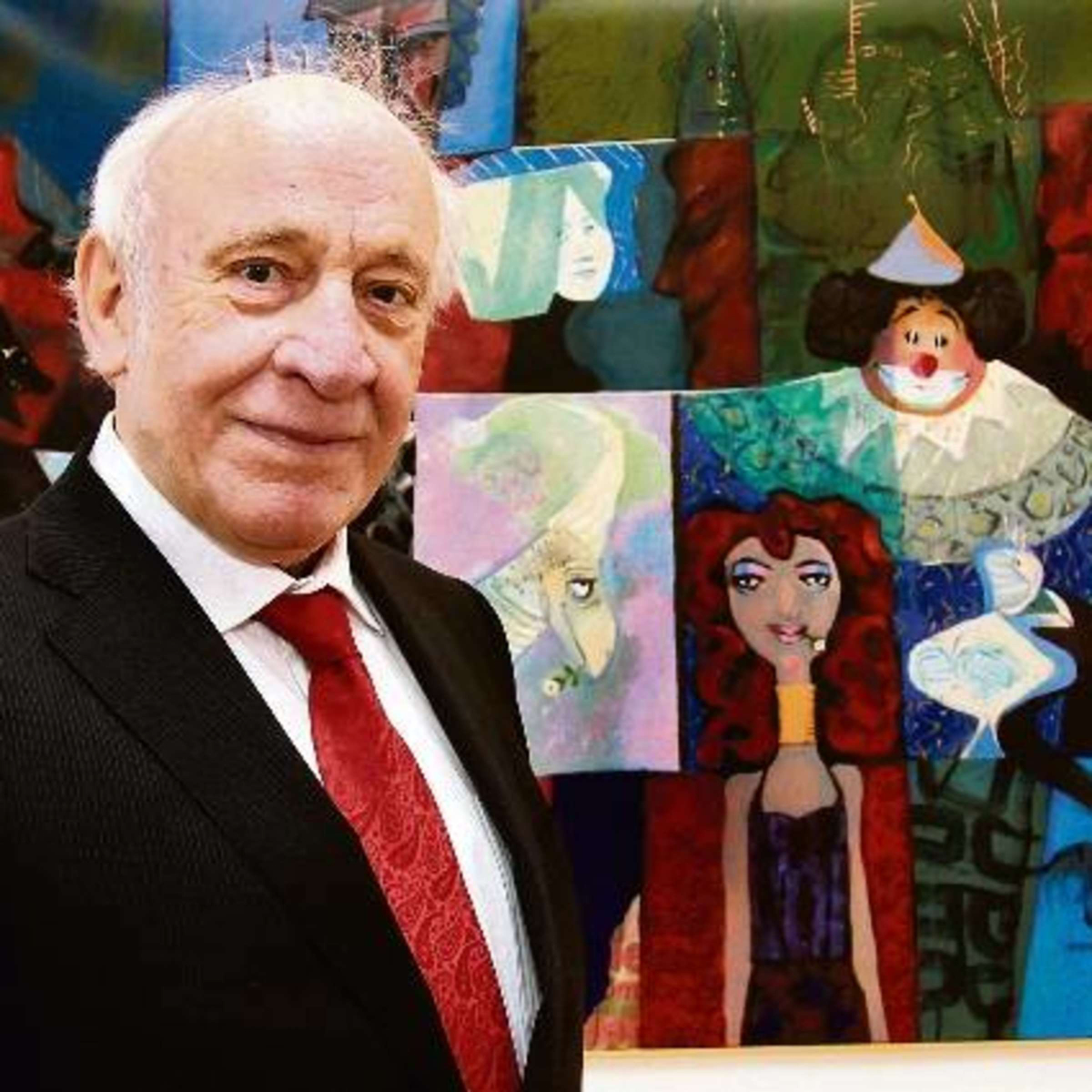
Otto Quirin, actually Otto Kaiser, was a German painter of lyrical abstraction.

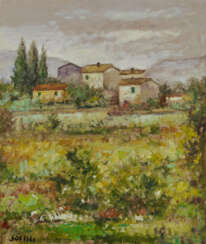

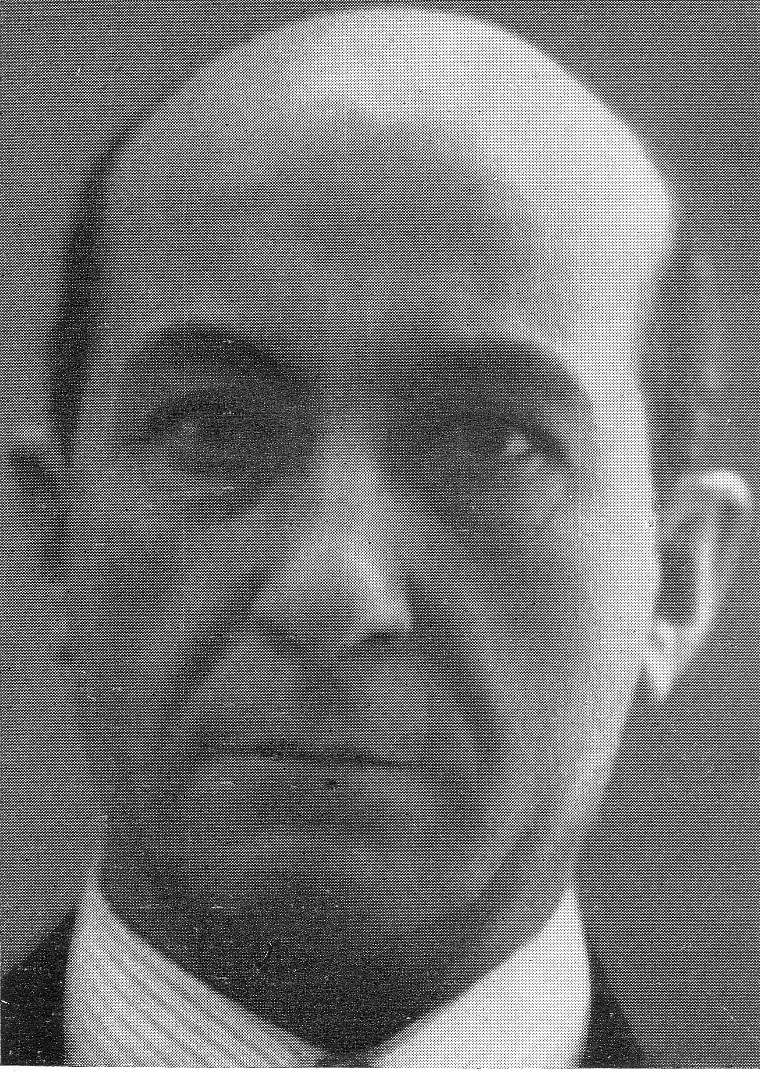
Ardengo Soffici was an Italian artist and art critic. One of the founders of futurism. Supported Fascism.
Ardengo Soffici entered the Florence Academy of Fine Arts in 1897, then went on to study painting in Paris, where he became an art critic and illustrator in 1904. During this period he meets Pablo Picasso, Georges Braque, Gino Severini and Guillaume Apollinaire. From 1908 he works for a new magazine "La Voce", in which he publishes a number of his essays on contemporary French painting and literature. Strongly influenced by Cubism since his Paris trip, Ardengo Soffici sharply criticises Futurist painting in his articles.
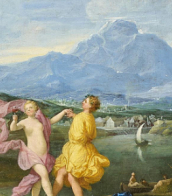
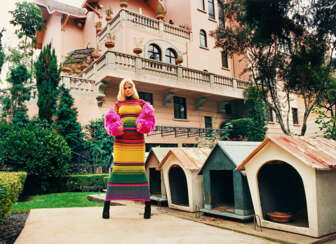

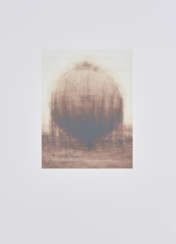

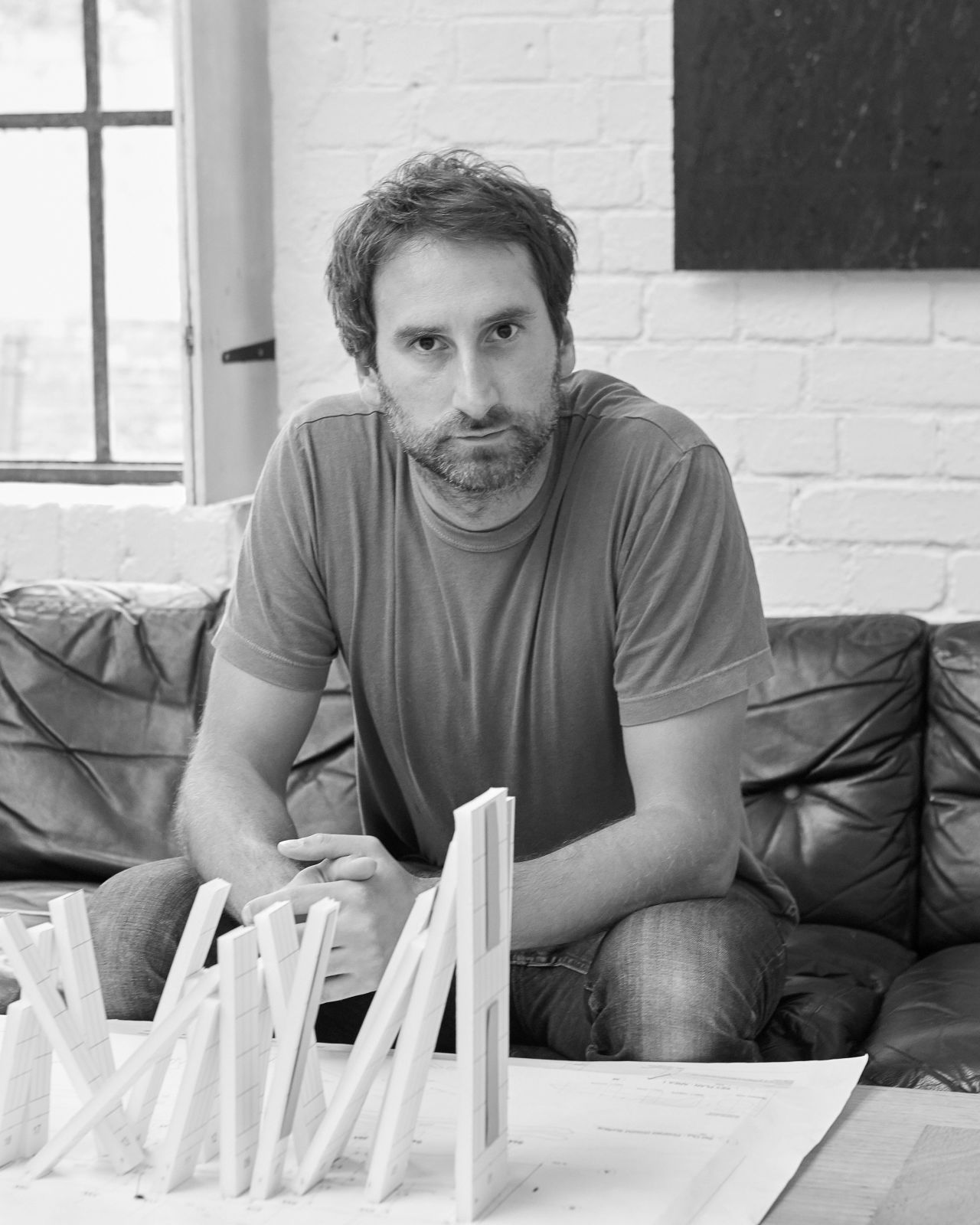
Idris Khan is a British artist based in London.
Khan's work draws from a diverse range of cultural sources including literature, history, art, music and religion to create densely layered imagery that is both abstract and figurative and addresses narratives of history, cumulative experience and the metaphysical collapse of time into single moments.
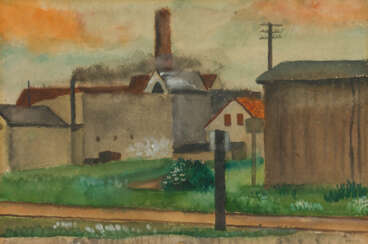

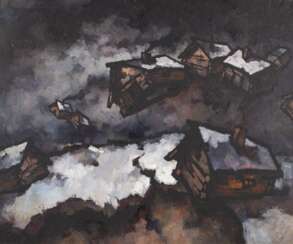

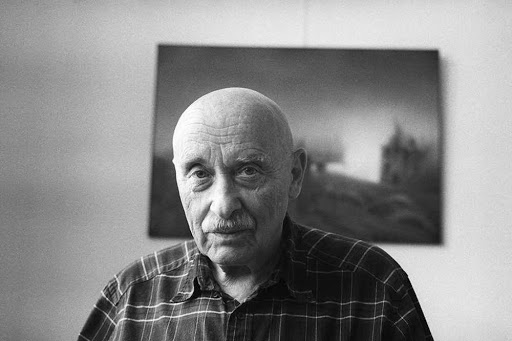
Oscar Yakovlevich Rabin (Russian: Оскар Яковлевич Рабин) was a Soviet and French artist of the second half of the twentieth and early twenty-first centuries. He is known as a nonconformist painter, one of the founders of the unofficial art group "Lianozovo", the organizer of the famous "Bulldozer Exhibition".
Oscar Rabin created works using the surrounding life as a material, turning ordinary objects into symbols and reflecting in his work the influence of European Expressionism of the 1920s. His preferred genres were landscape, still life and interiors. The artist used perspective distortion and warping in his work, which created unique and impressive compositions.